Traditions · 4 min read
How to Find a Pandit for Your Hindu Wedding in the UK
By Book a Mandap ·
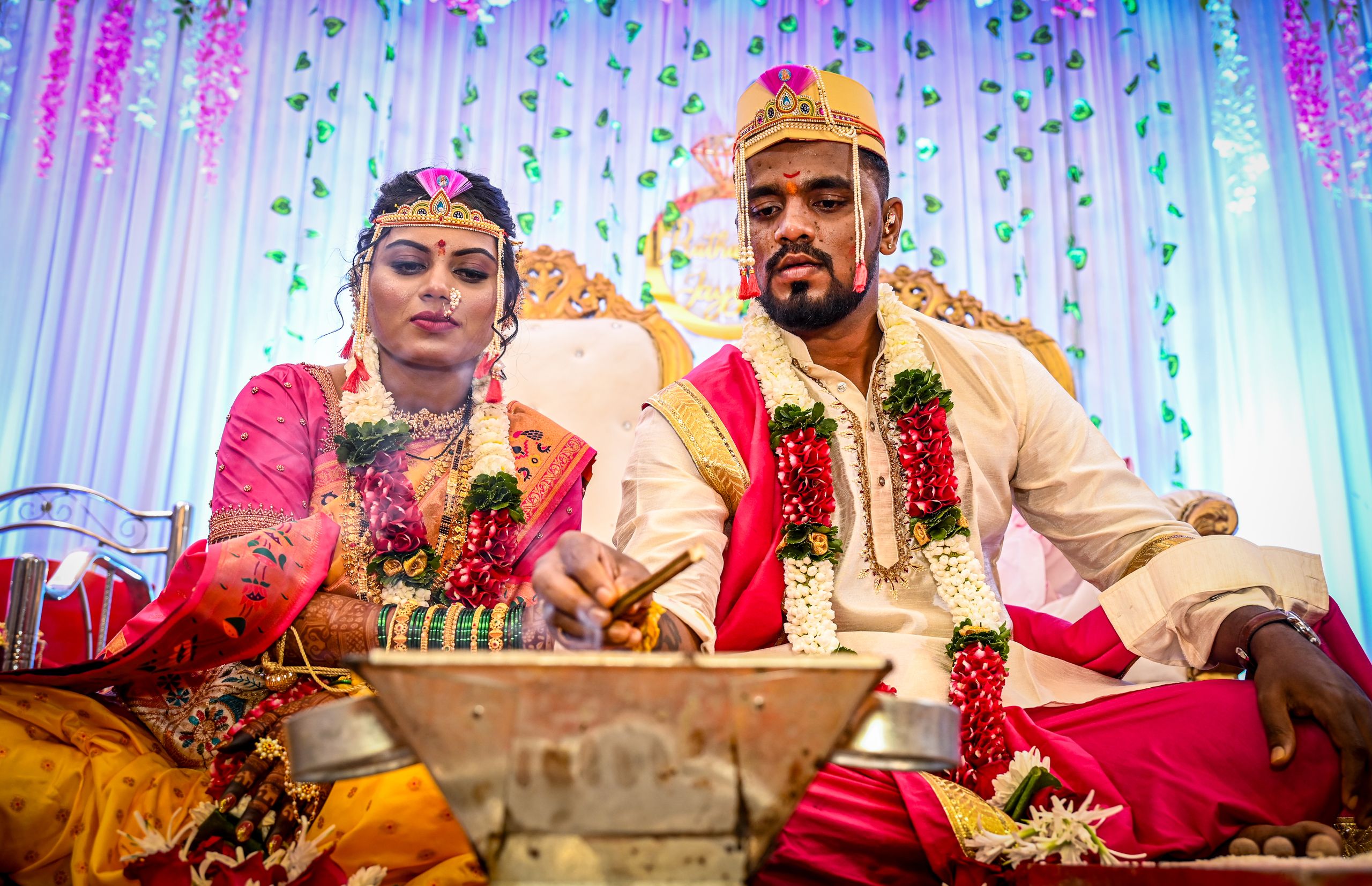
Your pandit guides you through the most meaningful hour of your wedding day. They lead the rituals, explain their meaning and set the pace of the ceremony beneath the Mandap. Finding the right one takes a little time, so here is how to choose a pandit for a Hindu wedding in the UK, and how to make sure they, your venue and your Mandap team are all working together.
What does a pandit do at a Hindu wedding?
A pandit, sometimes called a priest or purohit, conducts the wedding ceremony according to your family's traditions. They recite the Sanskrit mantras, guide the couple and their families through each ritual, and keep the ceremony moving at the right pace.
Many pandits also help choose an auspicious date and time, known as the muhurat, and explain each step in English so that every guest can follow along. From the Ganesh Puja and kanyadaan to the pheras around the sacred fire, the pandit is the person who brings the ceremony to life. Our guide to Hindu wedding ceremony rituals walks through each of these moments.
When should you book your pandit?
Book your pandit as soon as you have a date, ideally around the same time as your venue. Experienced pandits are in demand during the summer wedding season and on auspicious dates, and many couples like to confirm the muhurat with their pandit before finalising timings with the venue.
If your date is fixed by the venue rather than the calendar, let your pandit know early so they can advise on the best time for the ceremony within your day.
Where to find a pandit in the UK
Most couples find their pandit through people they trust. Good places to start include:
- Family and friends: a pandit who has married relatives or friends already knows your community's customs.
- Your local mandir: temples often have resident priests or can recommend pandits who conduct weddings.
- Community organisations: many regional and cultural associations keep contacts for priests who share your traditions.
- Wedding suppliers and venues: venues that host Hindu weddings regularly often know pandits who work well in their spaces.
Choose a pandit who knows your traditions
Hindu weddings vary widely between regions and communities. A Gujarati ceremony, a Punjabi Hindu wedding and a Tamil or Telugu ceremony each have their own rituals, order and language, and the right pandit will be comfortable with yours.
If your families come from different traditions, look for a pandit who is happy to blend rituals from both sides and explain them to everyone present. Our article on regional Mandap traditions shows how these differences can shape the ceremony space too.
Questions to ask your pandit
Meet or speak to your pandit before you book. These questions will help you understand how they work:
- Which rituals will you include, and can the ceremony be tailored to our families' customs?
- How long will the ceremony take, and can it be shortened if our timings are tight?
- Will you explain the rituals in English for our guests?
- Which Puja items will you bring, and what do you need us to provide?
- What do you need from the Mandap layout, such as the position of the Havan Kund and seating?
- What time will you arrive, and do you need anything set up before you do?
- What is your fee, and does it include travel?
Planning the ceremony with your Mandap team
Your pandit and your Mandap supplier should be working from the same plan. Share your pandit's requirements with your Mandap team early: where the Havan Kund should sit, how much room the couple need for the pheras, where the parents and pandit will be seated, and which items need to be placed on Patlas or a low table.
Every one of our Mandap packages includes a Havan Kund, Patlas and four brass Choris, and we plan the layout around your ceremony. We also check your venue's rules on open flames in advance, which is especially important at hotels and historic buildings. Our guide to the sacred fire at UK wedding venues explains what to ask.
On the day, your Mandap should be fully installed and checked before the pandit arrives, so they can set out their Puja items calmly and the ceremony can start on time.
Bringing it all together
The best ceremonies feel effortless because everyone has talked beforehand. Introduce your pandit to your venue coordinator and your Mandap team, agree the timings, and make sure each person knows what the others need.
If you are still choosing your Mandap, tell us about your ceremony and we will design the space around your pandit's rituals and your family's traditions.
Frequently asked questions
How far in advance should we book a pandit?
As early as you can, ideally once your date and venue are confirmed. Popular pandits can be booked up months ahead for summer weekends and auspicious dates.
Can the wedding ceremony be explained in English?
Many pandits in the UK explain each ritual in English as well as reciting the mantras in Sanskrit, which helps guests from every background follow the ceremony. Ask about this when you speak to them.
What should we tell our Mandap supplier about the pandit?
Share the rituals planned, where the Havan Kund should go, the seating needed for the couple, parents and pandit, and the pandit's arrival time, so the Mandap is ready and laid out correctly before the ceremony.