Traditions · 4 min read
The Sacred Fire (Agni) at UK Wedding Venues: What Couples Need to Know
By Book a Mandap ·

For many Hindu couples, the sacred fire is the heart of the wedding ceremony. Yet UK venues each have their own fire safety rules, and a small havan that seems simple can raise questions about smoke alarms, insurance and flooring. This guide explains what couples need to know about the sacred fire at UK wedding venues, and how to plan early so the ceremony feels authentic and runs smoothly.
Why the sacred fire matters
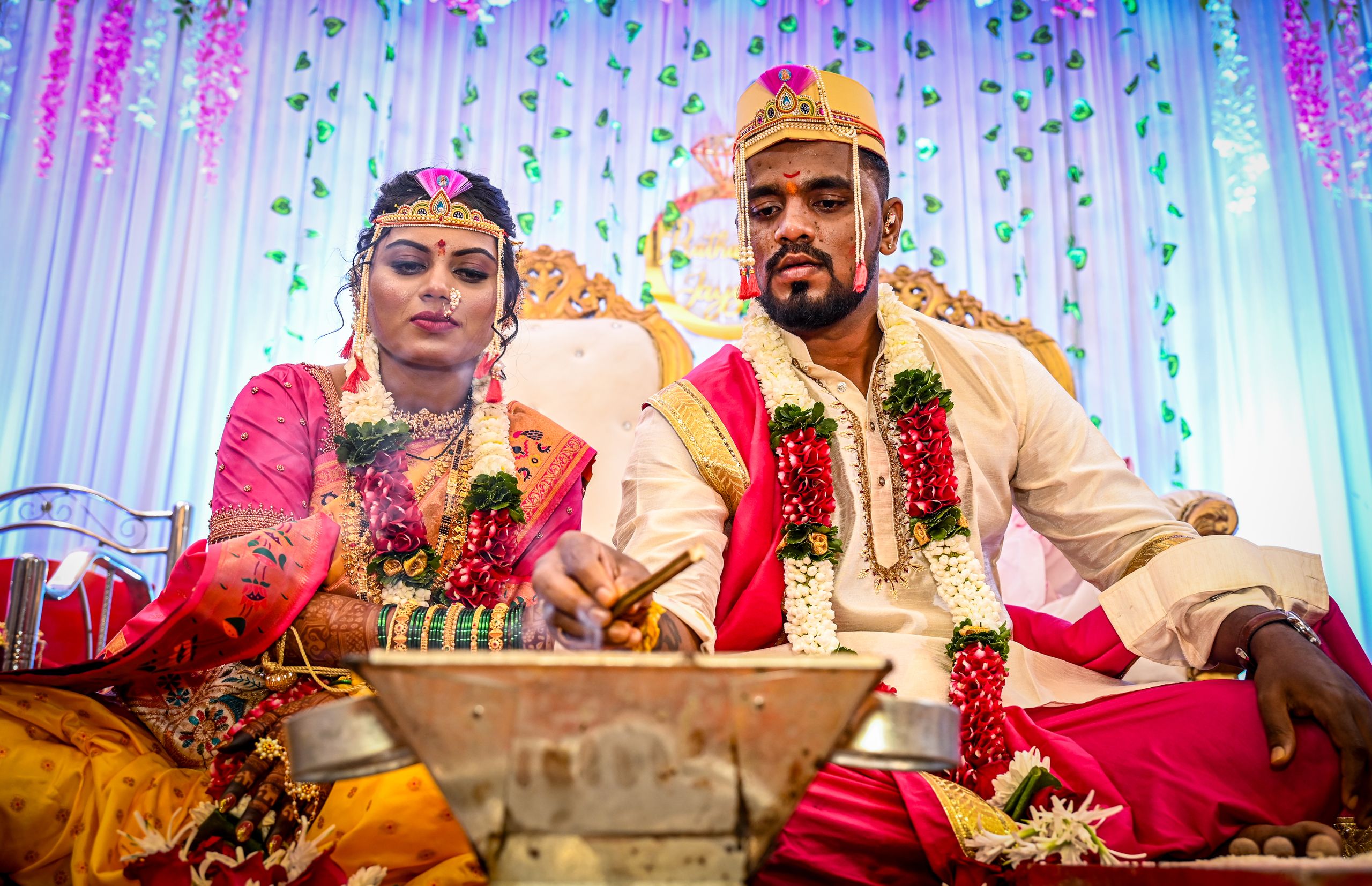
In many Hindu wedding traditions, Agni, the sacred fire, is honoured as a divine witness to the marriage. Offerings such as ghee, rice and herbs are made into the fire while the priest recites mantras, and the couple circle it during the pheras and, in many ceremonies, the Saptapadi. To learn more about these rituals, read our guide to Hindu wedding ceremony rituals.
How the fire is used varies by tradition, community and priest. Some ceremonies involve a more substantial havan, while others need only a small flame. Your pandit is the best person to explain what your ceremony requires, and that conversation is the starting point for discussions with your venue.
How UK venues approach open flames
There is no single rule across the UK. Each venue sets its own policy based on its building, fire risk assessment and insurance. Many venues that regularly host Hindu weddings are familiar with havans, while others, particularly historic buildings or those with sensitive smoke detection, may be more cautious.
- Some venues allow a small, contained havan with suitable precautions
- Some require smoke detectors in the ceremony area to be isolated temporarily, usually by their own staff
- Some ask for fire extinguishers or blankets nearby and a protective base under the havan kund
- Some do not allow an open flame at all, especially indoors in historic or listed buildings
- Outdoor ceremonies may have separate rules covering wind and nearby structures
Questions to ask your venue early
Raise the sacred fire when you first speak to a venue, ideally before you sign a contract. It is far easier to choose a suitable venue than to negotiate restrictions later. Our article on working with your venue on mandap setup covers the wider conversation.
- Do you permit a havan or open flame during ceremonies?
- What size of fire and which materials are permitted?
- Will smoke or heat detectors need to be isolated, and who arranges this?
- What fire safety equipment and floor protection do you require?
- Are there restrictions on ghee, camphor, incense or other offerings?
- Is there anything you need from our priest or mandap supplier in writing?
Alternatives when a full havan is not possible
If your venue restricts open flames, there are respectful ways to adapt. Many priests are experienced in tailoring ceremonies to UK venues and can suggest options that preserve the meaning of the ritual. Possibilities might include a very small contained flame, a lamp or diya, or another arrangement agreed between the priest, family and venue.
What feels appropriate is a personal and religious decision, so discuss it openly with your priest and family. Some couples choose a separate, more traditional ceremony at home or a temple with a smaller celebration at the venue, while others are comfortable with a symbolic approach.
Designing your mandap around the fire
The havan affects mandap design as well as safety. It needs a central position with clear space around it for the couple to walk, and it should sit well away from fabric drapes, low-hanging florals and chandeliers. Most mandaps need roughly 3m x 3m to 5m x 5m of floor space plus room around them, and around 3m to 4m of ceiling clearance helps heat and smoke disperse.
We coordinate with venues on access, timings and fire rules, so your mandap is planned around their requirements from the outset. If your ceremony is outdoors, see our guide to outdoor mandaps and UK weather, and browse our outdoor mandaps for designs with weighted bases and a wet-weather plan.
Planning with confidence
The key to a smooth ceremony is clear communication between you, your priest, your venue and your mandap supplier. Agree the details in writing, confirm them again in the weeks before the wedding, and make sure everyone knows who is responsible for safety on the day. If you would like help planning a mandap that works with your venue's fire rules, get in touch and we will be happy to advise.
Frequently asked questions
Can I have a havan at a hotel wedding in the UK?
Many hotels allow a small, contained havan, but policies vary. Ask early and confirm requirements such as detector isolation and safety equipment in writing.
What happens if my venue does not allow an open flame?
Priests often adapt the ritual with a small contained or symbolic alternative. Discuss the options with your priest and family to find an approach you are comfortable with.
Do you coordinate with the venue about the sacred fire?
Yes. We coordinate with venues on access, timings and fire rules so the mandap design and havan position meet their requirements.