Traditions · 4 min read
Saptapadi: The Seven Steps of a Hindu Wedding
By Book a Mandap ·

Saptapadi, meaning seven steps, is one of the most meaningful moments in many Hindu weddings. As the couple take seven steps together, they make promises that form the foundation of their married life. This guide explains the Saptapadi ritual, how the seven vows are commonly understood, and how to plan your mandap so this moment can be shared by everyone present.
What is Saptapadi?
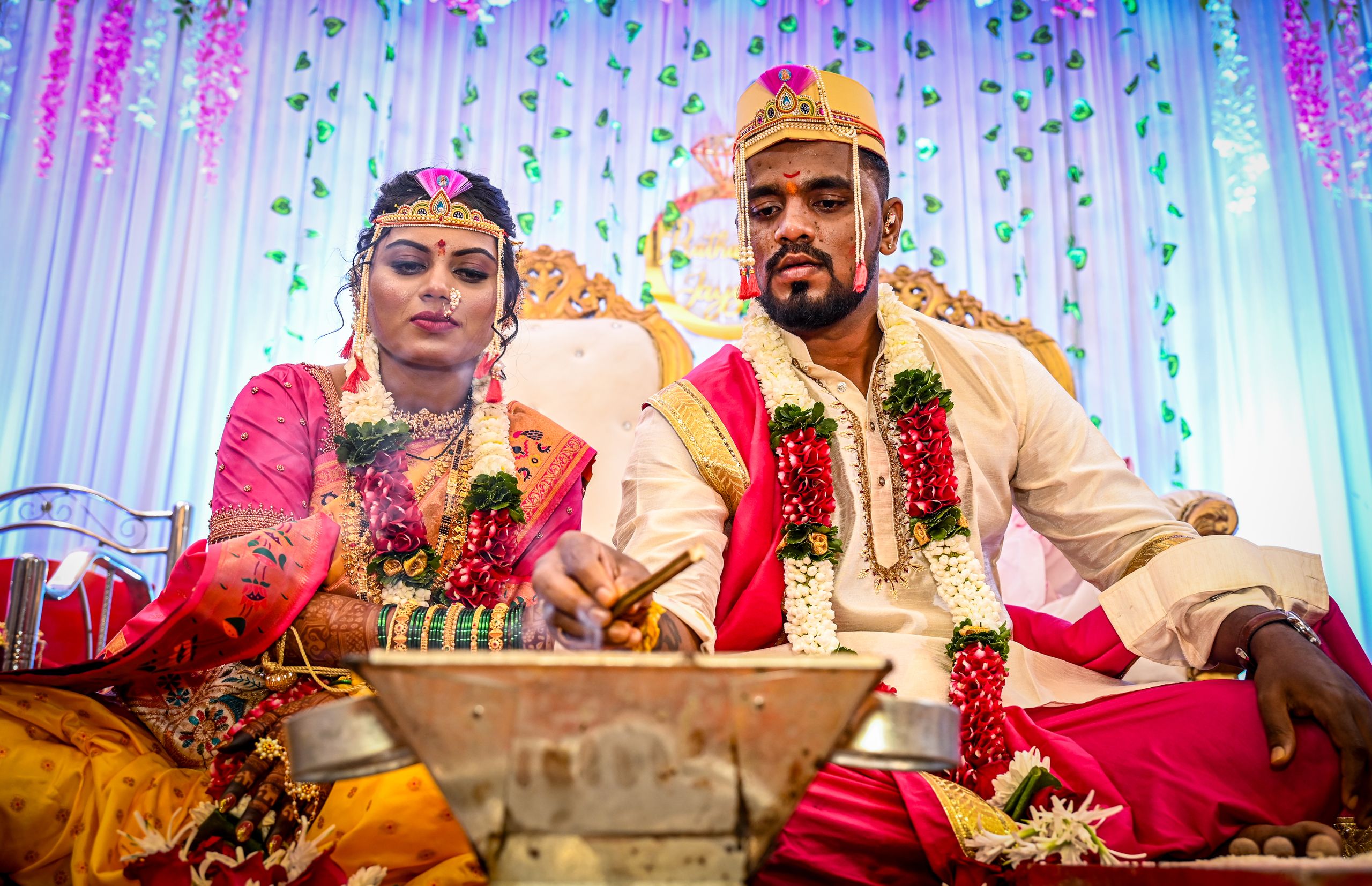
Saptapadi comes from the Sanskrit words sapta, meaning seven, and padi, meaning steps or feet. During this ritual, the couple take seven steps together, usually in the presence of the sacred fire, while the priest recites mantras. In many traditions, completing the seven steps is regarded as the moment the marriage is sealed.
Practice varies. In some ceremonies the couple walk seven steps in a line or around the fire, in others the bride touches a small mound of rice or a stone with her foot at each step, and some communities combine Saptapadi with the pheras. Your pandit will explain how it is performed in your tradition. For an overview of the full ceremony, see our guide to Hindu wedding ceremony rituals.
The seven vows and their common meanings
The precise wording of the vows differs between texts, regions and priests, and the translations below are simplified, widely shared interpretations rather than exact renderings. Broadly, each step is associated with a blessing or promise:
- First step: for nourishment and the provision of a shared household
- Second step: for strength, health and wellbeing, physical and spiritual
- Third step: for prosperity and sharing wealth wisely
- Fourth step: for happiness, love and mutual respect, and harmony with family
- Fifth step: for children, or for the welfare of the family and those in their care
- Sixth step: for a long life together and companionship through the seasons
- Seventh step: for lifelong friendship, loyalty and unity
Saptapadi and the pheras
Saptapadi is closely linked to the pheras, when the couple circle the sacred fire. In some traditions these are the same ritual, with seven rounds of the fire forming the seven steps. In others, the couple walk four rounds and take the seven steps separately. Some Gujarati and North Indian ceremonies, for example, may distinguish between the two, while practice in South Indian ceremonies can differ again.
Because of this variety, it is best not to assume a format. Ask your priest how many rounds or steps your ceremony will include and how much space they need. Many couples find that understanding this in advance helps them feel more present in the moment itself.
Planning your mandap around the seven steps
Saptapadi needs space. The couple must be able to move comfortably around or beside the havan, often with a garment tied between them, while the priest and family remain seated nearby. A cramped mandap can make this moment feel awkward and leaves little room for your photographer.
- Allow enough floor space for the couple to walk freely; most mandaps need roughly 3m x 3m to 5m x 5m plus room around them
- Position the havan centrally, with safe clearance from florals and drapes
- Keep pillars and décor clear of the walking path, especially trailing fabrics and outfits
- Plan seating for the priest and parents so they do not block the route
- Agree with your photographer where they will stand during the steps
When an open flame is not possible
Some UK venues do not permit an open flame. In these cases, priests and families often adapt the ritual, for example with a very small contained fire, a symbolic alternative or a different arrangement agreed with the venue. We coordinate with venues on access, timings and fire rules, and our guide to the sacred fire at UK wedding venues explains the common options in more detail.
Making the moment meaningful for your guests
Many couples print a short explanation of each vow in their order of ceremony, or ask the priest to explain the steps in English as they happen. It is a lovely way to involve guests who may be attending a Hindu wedding for the first time, and it gives the ritual the attention it deserves.
A thoughtfully designed mandap frames this moment beautifully, whether it is an ornate traditional mandap or a contemporary design. When you are ready to plan yours, contact our team to arrange a viewing or talk through your ceremony.
Frequently asked questions
Is Saptapadi the same as the pheras?
In some traditions they are combined into one ritual, while in others they are separate. Your priest will explain how they are performed in your ceremony.
How long does the Saptapadi ritual take?
It is usually a relatively short part of the ceremony, though timing depends on the mantras recited and your tradition. Your priest can give a more precise estimate.
Can Saptapadi take place without a fire?
Where a venue does not allow an open flame, priests often adapt the ritual with a contained or symbolic alternative. Discuss options with your priest and venue early.